About this game
Game Introduction
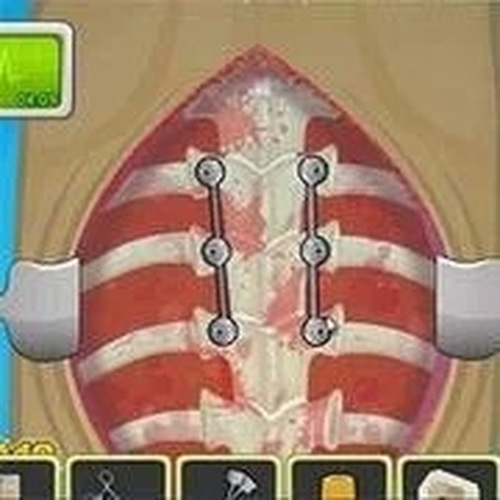
Spine Correction Puzzle Simulation is an educational experience that places you in the role of a medical professional. A patient arrives with a curved spine, and your task is to perform a corrective procedure using simple, safe tools. The simulation presents each step with clear instructions, making it easy for anyone to understand how doctors straighten the spine. Designed for all ages, this puzzle focuses on teaching basic anatomy and surgical concepts without any violent or frightening elements. It offers a gentle introduction to healthcare and the process of correcting spinal curvature. The core objective is to follow the guided steps carefully, using point-and-click controls to complete the procedure successfully. What makes this puzzle unique is its emphasis on education and calm problem-solving, rather than action or stress. Players learn about medical tools and techniques in a safe, supportive environment. The simulation encourages patience and attention to detail, as each action builds on the previous one. By the end, you will have a clear understanding of how spine correction works, all while enjoying a thoughtful and engaging puzzle.
How to Play
Players begin by selecting the correct tools from a surgical tray, following on-screen prompts. Using a mouse or touch screen, you guide items into place along the vertebrae to gradually straighten the curve. Each action is explained step by step, so beginners can follow along easily. The game ends when the spine is fully corrected and the procedure is complete. Staying focused and calm is key, as the patient relies on your careful work.
Game Features
This safe, educational puzzle simulation is suitable for all ages. It features simple point-and-click controls with clear visual guides that teach basic anatomy and surgical procedures. There is no violence or scary content, making it a gentle learning tool. The game encourages patience, focus, and problem-solving skills as players work through each step of the correction process.
Tips for Success
Pay close attention to each on-screen instruction to avoid mistakes. Work slowly and steadily, as rushing can lead to errors. Familiarize yourself with the tool icons before starting the procedure. If you make a mistake, learn from it and try again. Practice the sequence of steps to improve your speed and accuracy over time.