

Urban Designer: Growth Simulator
Runs in your browser — no download.
Reviews
Urban Designer: Growth Simulator succeeds by focusing on thoughtful construction rather than conflict. The resource management loop is satisfying without being overwhelming, and the bright visuals keep the experience light. Trading and community events add a gentle social layer. While it may lack the complexity of hardcore simulators, its balance of accessibility and depth makes it ideal for casual players seeking a constructive challenge. A refreshing take on the genre that prioritizes creativity and cooperation.
Description
Core Planning Philosophy
At the heart of Urban Designer: Growth Simulator lies a straightforward yet deep challenge: transform empty land into a self-sustaining community. Players begin by selecting a terrain and placing essential structures such as housing and food production facilities. These early choices determine the pace of expansion. The game avoids combat or conflict entirely, instead focusing on how well you balance population needs with available supplies. Every building you add influences the overall efficiency of your city, making thoughtful placement a key skill to develop over time.
Resource Flow & Expansion
Managing resources is the central puzzle in Urban Designer. You must keep a steady stream of materials flowing to support new construction and maintain existing infrastructure. As your population grows, more advanced buildings become available, allowing for specialized districts or improved production chains. The interface uses simple point-and-click controls, so newcomers can quickly grasp the basics. However, mastering the art of resource allocation requires careful observation and adjustment. Trading with neighboring communities may also provide helpful boosts when supplies run low.
Visual Style & Accessibility
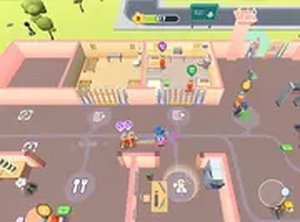
The game presents its world with bright, colorful graphics that make every structure and landscape element easy to distinguish. This visual clarity helps players quickly assess their city's layout and identify areas needing attention. Controls are intuitive, designed to be approachable for younger players while still offering depth for experienced strategists. The overall atmosphere remains positive and cooperative, encouraging experimentation without penalty. This makes Urban Designer a suitable choice for family game sessions or solo relaxation.
Community & Cooperative Elements
While the core experience is about individual city management, Urban Designer includes opportunities for interaction with other players. You may engage in trading resources or participate in community events that require collective planning. These features add a social layer without introducing competitive pressure. The emphasis remains on shared growth and creative expression. Players can visit each other's cities for inspiration or collaborate on larger projects during special in-game occasions. This cooperative spirit reinforces the game's focus on building rather than competing.
Long-Term Strategy & Rewards
Success in Urban Designer comes from sustained attention to detail. Players must continuously adapt their plans as new challenges arise, such as increased demand for services or space constraints. The game rewards those who think several steps ahead, optimizing routes and production chains for maximum efficiency. Participating in timed events can yield exclusive decorations or utility buildings that further enhance your city. There is no single correct path to prosperity, which encourages replayability and personal expression. The satisfaction comes from watching your carefully planned community thrive over many play sessions.








03 Comments
Sign in to comment
You must be logged in before posting a review or rating.
No account? Create one
No comments yet. Be the first to comment!